
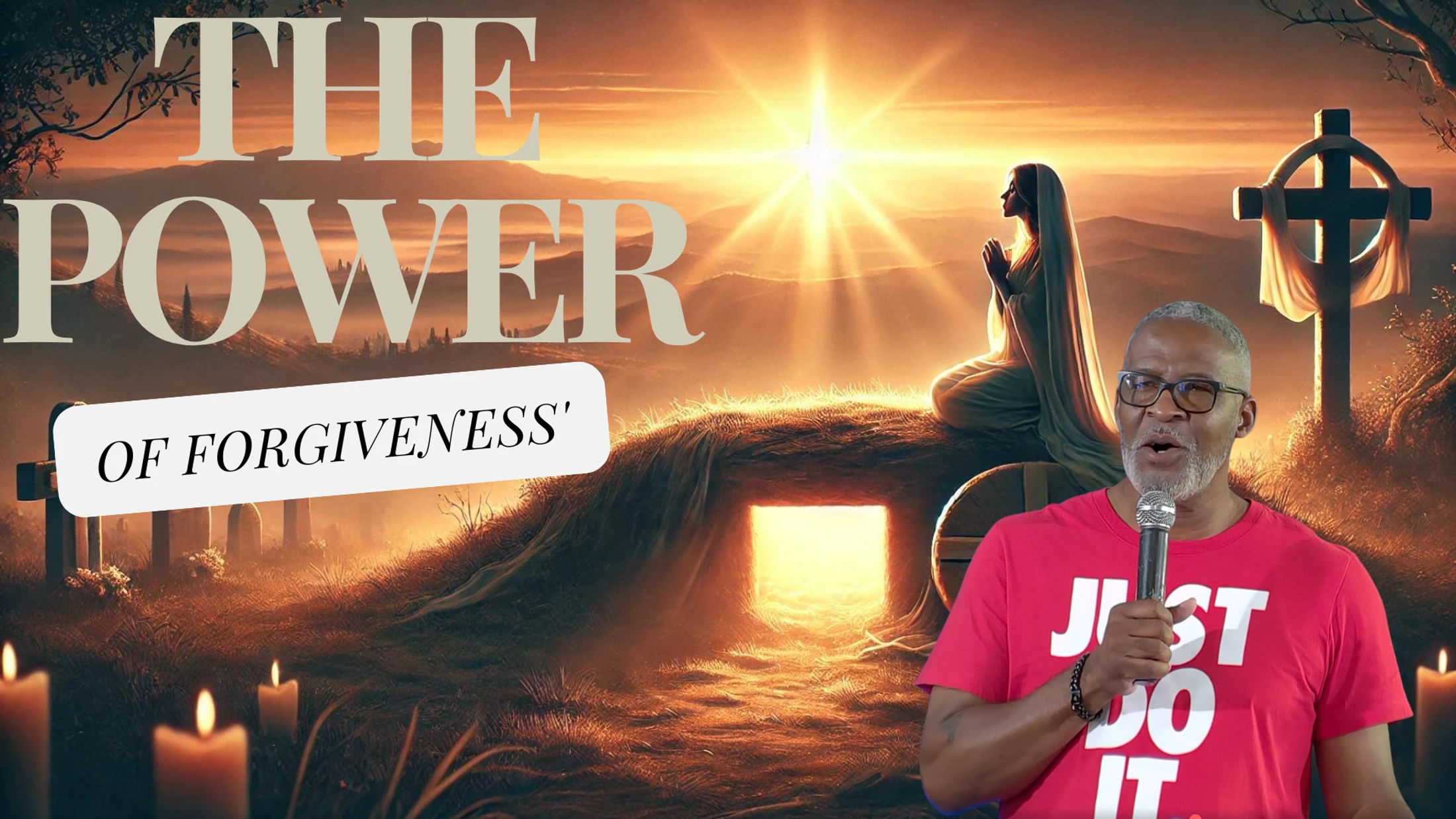
**The Power of Forgiveness: A Lesson from Mary Magdalene**
**Introduction**
Forgiveness is a central theme in Christianity, and it is a powerful act that can transform lives. This week's sermon delved into the story of Mary Magdalene and the profound impact of forgiveness. By examining her story, we can learn valuable lessons about the nature of forgiveness and how it can change our relationships and our lives.
**Who Was Mary Magdalene?**
Mary Magdalene is a significant figure in the New Testament. According to Luke, chapter 8, she was a woman who had been forgiven much by Jesus. This forgiveness had a profound effect on her, leading her to become one of Jesus' most devoted followers. Her story is a testament to the transformative power of forgiveness.
**The Nature of Forgiveness**
Forgiveness is not just a simple act of saying "I forgive you." It is a profound release of the offense and the offender. In the Greek language, forgiveness is likened to a divorce, where you completely let go of the person and the offense. Holding onto grudges and constantly reminding someone of their past mistakes is not true forgiveness. True forgiveness means letting go and not holding the person to their past actions.
**The Impact of Being Forgiven**
When someone is forgiven much, they often feel a deep sense of gratitude and a desire to give back. This is evident in the story of Mary Magdalene. After being forgiven by Jesus, she became one of His most loyal followers, always eager to serve and show her love. This is a common reaction among those who have been forgiven much; they feel a sense of indebtedness and a desire to repay the kindness they have received.
**Forgiveness in Different Cultures**
In some African cultures, forgiveness is likened to walking away from a person who has died. You don't carry the dead person on your shoulders; you let them go. This is a powerful metaphor for forgiveness. When you forgive someone, you release them and yourself from the burden of the offense. Holding onto grudges only makes you miserable and prevents you from moving forward.
**Signs You Haven't Truly Forgiven**
One clear sign that you haven't truly forgiven someone is if you keep bringing up the offense. Constantly reminding someone of their past mistakes indicates that you are still holding onto the hurt. True forgiveness means letting go and not holding the person to their past actions. Imagine if God treated us this way, constantly reminding us of our sins. We would be miserable. Instead, God forgives and forgets, allowing us to move forward.
**The Connection Between Forgiveness and Love**
Jesus made it clear that those who are forgiven much, love much. This is because forgiveness creates a sense of gratitude and a desire to give back. When you forgive someone who has wronged you greatly, they often feel a deep sense of love and appreciation for you. This is a powerful dynamic that can transform relationships and create deep bonds of love and loyalty.